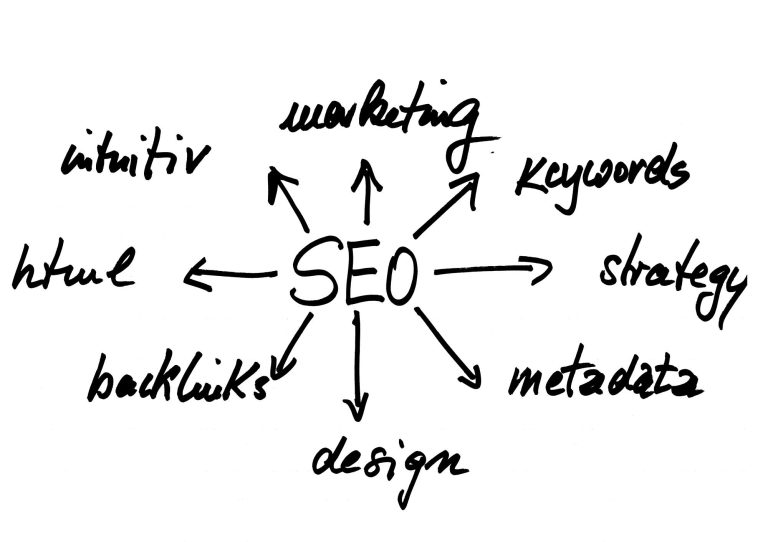
A pillar page is an SEO content strategy that covers a broad topic in-depth while linking to related subtopic pages. It helps search engines understand content hierarchy and improves user navigation across connected topics.
According to Fit Small Business, the typical Google searcher visits an average of 7.96 pages. This shows how effective organized, linked content is for keeping users engaged and exploring related topics.
Pillar page benefits include stronger keyword rankings and better site organization. When paired with engaging blog posts, pillar pages create a cohesive content network that drives consistent traffic.
Learn more about key content marketing basics to strengthen your content hub creation below.
What Is a Pillar Page?
A pillar page is a comprehensive resource that covers a broad topic in detail. It links to and from various related pages (or cluster content) on your site.
Essentially, it acts as the main hub or central point of information on a specific subject. This guides visitors through various related subtopics within engaging blog posts for a seamless user experience.
The Importance of a Pillar Page
In the world of digital marketing, creating a well-organized content structure is crucial. Here are some compelling reasons why adding a pillar page to your website can have a positive impact:
- Enhanced SEO: Contributes to better keyword optimization and helps your site rank higher for broader search terms.
- Improved User Experience: Provides a clear roadmap to related content that offers users an intuitive navigation experience.
- Increased Traffic: Comprehensive pages attract more visitors and increase the chances of longer engagement times.
How to Create a Pillar Page
Creating an effective pillar page involves careful planning and execution. Here’s a step-by-step guide to get you started:
- Identify Your Core Topic: Choose a broad subject that resonates with your audience and has the potential for deeper exploration.
- Conduct Keyword Research: Utilize tools like Google Keyword Planner to find relevant keywords that your audience is searching for.
- Organize Content Around the Topic: Break down your core topic into various subtopics and develop them into their own pieces of content.
- Ensure Internal Linking: Link your cluster content back to the pillar page effectively to enhance discoverability.
- Optimize for SEO: Make sure your pillar page is optimized with the primary keyword and secondary keywords placed naturally throughout the content.
Benefits of Implementing Pillar Pages in Your Strategy
Aliied Market Research reveals that the global content market is projected to reach $2 trillion by 2032. Utilizing pillar pages can capitalize on numerous advantages for your content strategy.
A few key benefits include:
- Content Clarity: It allows readers to find comprehensive information on a broad subject without having to sift through unrelated articles.
- Targeted Marketing: It gives you the chance to address specific customer pain points through related content.
- Long-term Value: The time invested in creating a pillar page can yield long-term benefits through continued traffic for years.
Elevate Your Content Strategy with Enfuse Today
Incorporating a pillar page strategy into your website can be a game-changer. This method not only helps streamline your content but also enhances your website’s SEO performance.
Enfuse is a full-service web development and digital marketing company. We specialize in web design and graphic design, along with printing and marketing. Our team builds strategies that enhance online presence.
Contact Enfuse to get started on your next project today.